Wildlife Photography Tips for Kruger
Capturing stunning images of Africa's wildlife is a dream for many visitors to Kruger National Park. You don't need professional gear to get great shots, but a few simple techniques can vastly improve your results.
1. The Right Gear
While smartphones take excellent landscape photos, wildlife photography usually requires a dedicated camera with a telephoto lens.
- Minimum focal length: 300mm (full frame equivalent) is generally considered the starting point for bird and smaller mammal photography.
- Beanbags: A simple beanbag placed over your car door frame provides excellent stability, which is crucial for sharp images at long focal lengths.
2. Time of Day is Everything
The "Golden Hour"—the hour after sunrise and the hour before sunset—provides the best, softest, and warmest light. Harsh midday sun creates heavy shadows, washes out colors, and causes heat haze that ruins image sharpness.
3. Focus on the Eyes
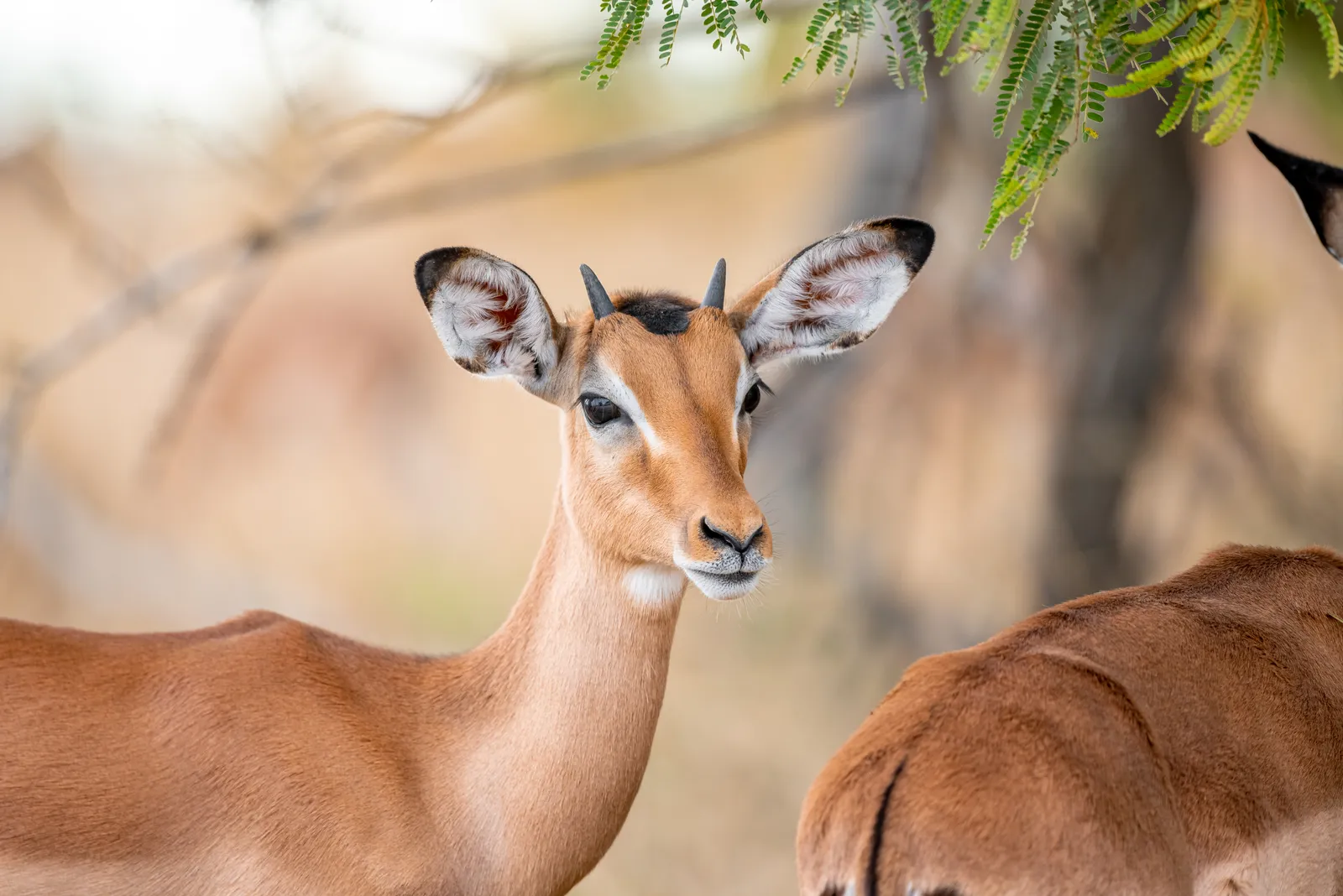
If an animal's eyes are out of focus, the entire image feels soft. Always use single-point autofocus and ensure the focus point is locked squarely on the closest eye of your subject.
4. Composition: The Rule of Thirds
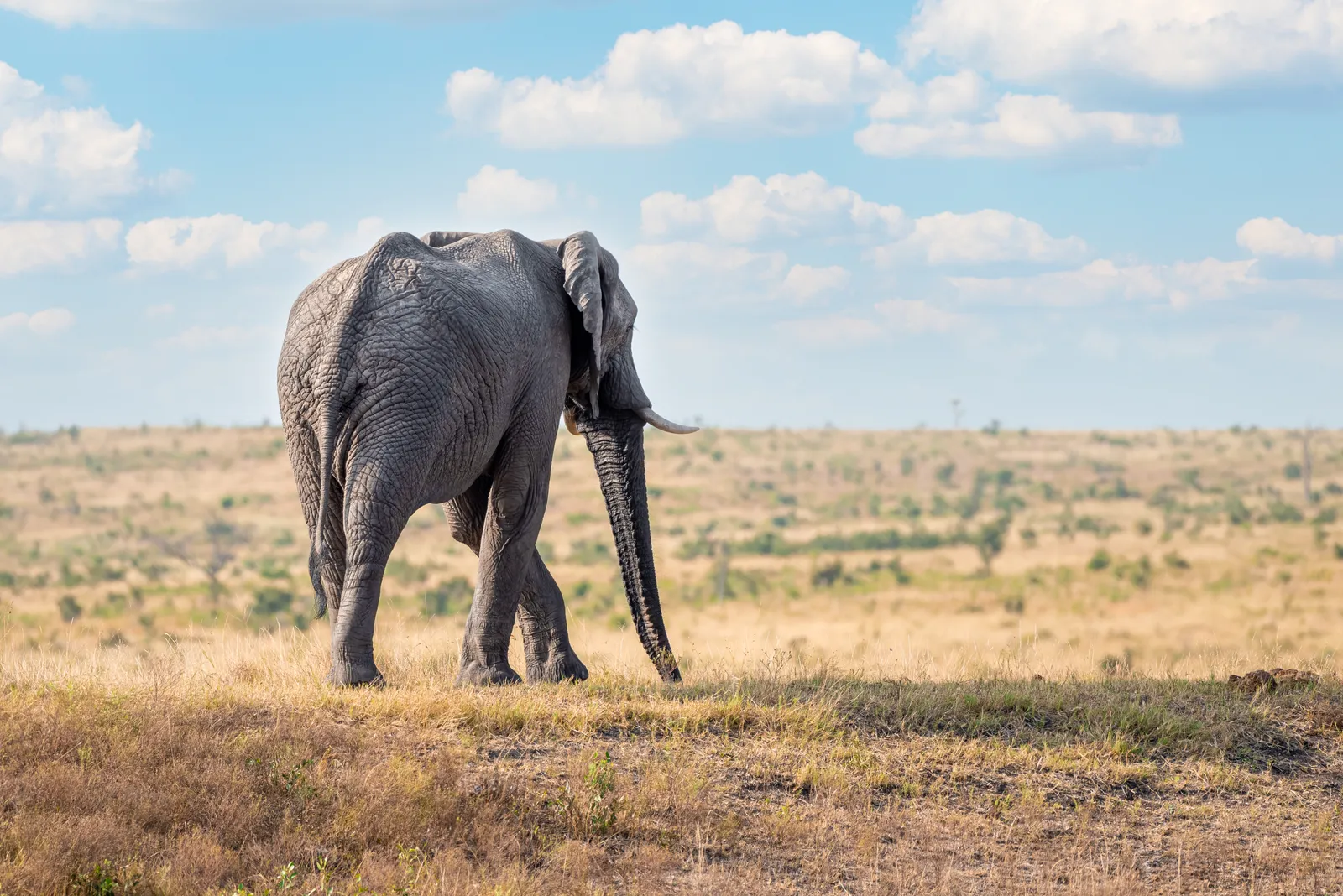
Don't always center your subject. Use the Rule of Thirds: imagine your viewfinder divided into a tic-tac-toe grid. Place the animal on one of the intersecting lines. If the animal is moving or looking in a particular direction, leave "active space" in front of it for it to look or move into.
5. Patience Pays Off
The best wildlife photos rarely happen the moment you arrive at a sighting. If you find a relaxed leopard or a herd of bathing elephants, turn off your engine, sit quietly, and wait. The animals will resume their natural behavior, and that is when the magic happens.