Conservation Ecosystem
Kruger National Park operates on a "Strategic Adaptive Management" philosophy—recognizing that wilderness is a complex, changing system that requires informed, flexible oversight.
Ecological Stewardship
Controlled Burning & Fire Management
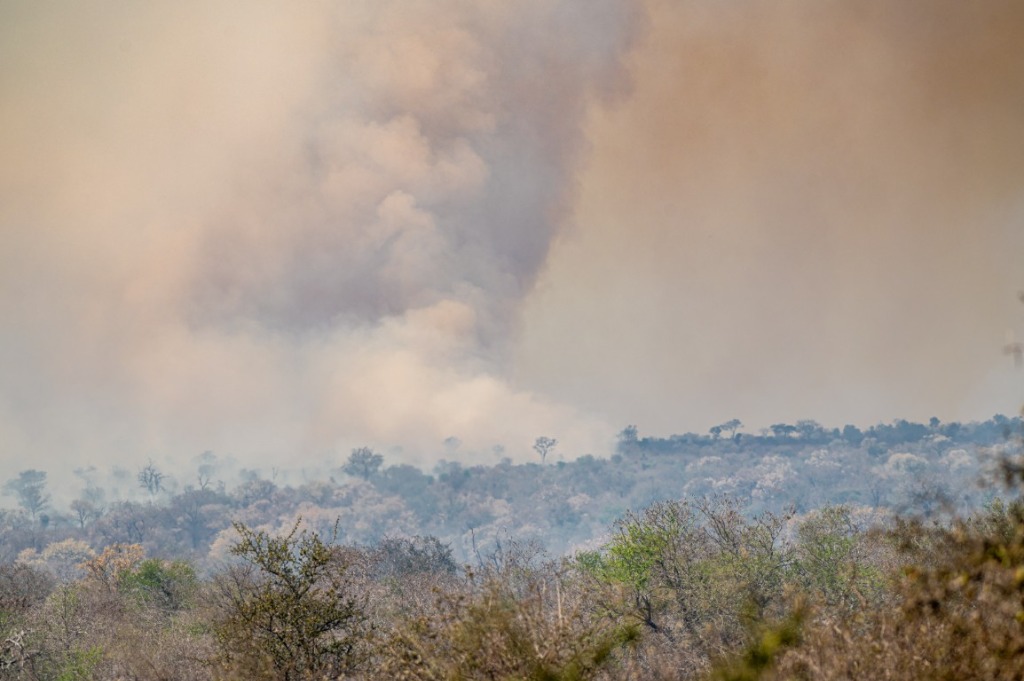
Fire is a vital ecological process in the savanna. SANParks utilizes a sophisticated "Patch Mosaic" fire policy. Instead of preventing all fires, rangers initiate strategic burns to prevent massive, uncontrolled wildfires and to encourage the growth of high-nutrient grasses. This prevents bush encroachment and maintains the open grasslands required by grazers like zebra and wildebeest.
Water Provision & River Health
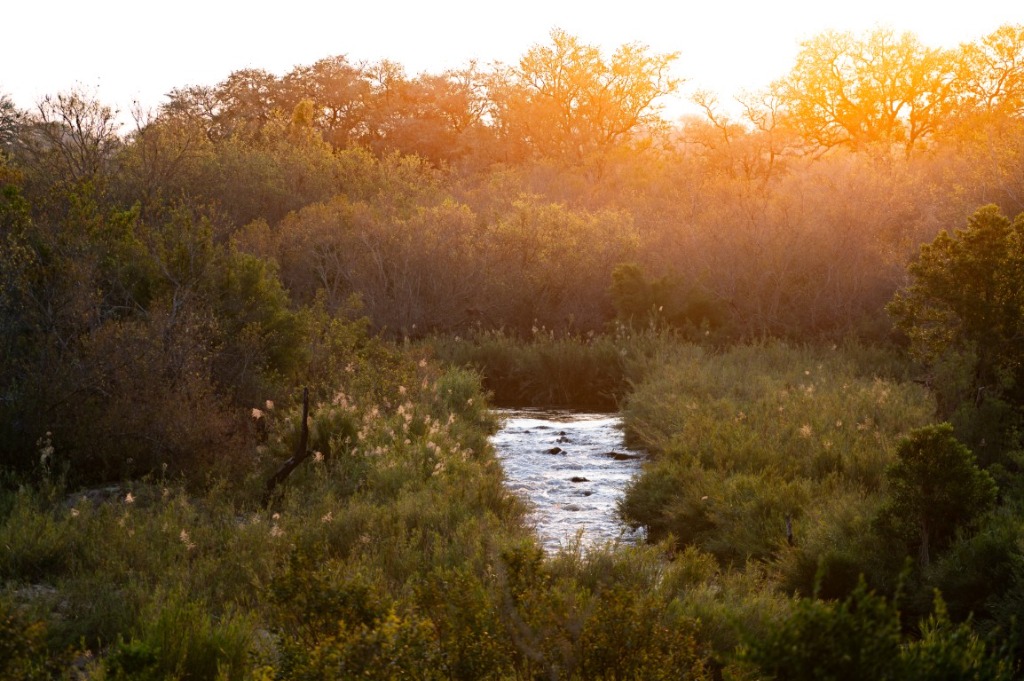
Historically, the park installed many artificial boreholes. Modern research has shown this can lead to land degradation as herds congregate in one area. SANParks is now Closing artificial water points to restore natural migration patterns. Managing river health is a cross-border challenge, as most rivers originate outside the park in industrial or agricultural zones.
- Restoration of natural migration routes
- Continuous monitoring of silt and pollutants
- Removal of 380+ types of invasive alien plants
The Multi-Layered Defense
K9 Units
The Air Wing and K9 units work in tandem. Belgian Malinois and Bloodhounds are deployed via helicopter to track poachers across difficult terrain with unparalleled speed and accuracy.
Technology Integration
Utilization of SMART (Spatial Monitoring and Reporting Tool), specialized radar systems, and night-vision drones allows for a 24/7 "virtual fence" around the park's most vulnerable areas.
Adaptive Interventions
In extreme cases, SANParks implements dehorning programs in core zones to temporarily reduce the commercial incentive for poachers while securing the long-term genetic survival of rhinoceros.
"Modern anti-poaching is not just about enforcement; it's about intelligence, technology, and the bravery of over 400 dedicated field rangers."
A World-Class Collaborative
Conservation involves a complex tapestry of local and international partners.
Local Communities
Adjacent residents are the primary guardians. Programs like the Black Mambas (all-female APU) empower local leadership.
International NGOs
Peace Parks Foundation and others help manage the Greater Limpopo Transfrontier Park which connects KRUGER to Mozambique.
Scientific Research
Specialized units at Skukuza study everything from soil nutrients to elephant cognitive behavior and climate trends.
Law Enforcement
SAPS and the National Prosecuting Authority (NPA) ensure that wildlife crime investigations lead to actual prosecutions.
Pressing Realities
Climate Change & Drought
Changing weather patterns threaten the delicate balance of the savanna. Severe droughts can lead to massive die-offs of buffalo and hippo, requiring careful intervention to manage the resulting surge in predator populations.
Human-Wildlife Conflict
As human populations expand near the park borders, animals (especially predators and elephants) occasionally wander into agricultural land, leading to complex negotiations and management responses.
Illegal Wildlife Trade
The commercialization of poaching driven by international syndicates remains the single most existential threat to the park's rhinoceros population.
The Ethics of Exploration
Every visitor plays a role in conservation. Adhering to park rules isn't just about safety—it's about minimizing the human footprint on a wild ecosystem. Your entrance fees directly fund the salaries of rangers and the maintenance of anti-poaching units.
Preserving the 2 Million Hectares
Kruger's size is its greatest asset and its greatest challenge. Through science, technology, and community, we continue to strive for a balance where nature retains its wild soul.